Journalists help ensure a germ-free government

Your body. Your choice.
That’s not about what you might be thinking.
Your “body” or, in this case, bodies refers to those we elect and those we appoint via 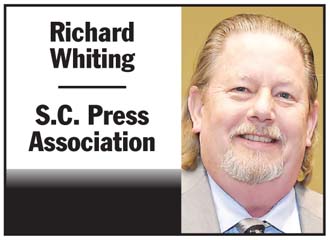 those we elect to do the public’s business: school boards; town, city and county councils; state and federal representatives; town, city and county managers; school superintendents; and various law enforcement agencies. Your “choice” pertains to whether you intend or even want to hold them accountable after having chosen them through our elections.
Surely you want to hold them accountable. After all, it is your money they are spending, your lives they are affecting and largely controlling. Intent might pose a bit of a problem, however. You are busy with work, family, social commitments and the like. You hope, believe and even trust that they are going to do what is right but lack the time and resources to investigate.
As we in the journalism business like to say, “If your mother tells you she loves you, trust and believe her. But verify.”
That’s where legitimate journalists, generally found in newspapers’ newsrooms, come in. While you go about your daily lives it is the journalist who attends the public bodies’ meetings, reports on what happens and, just as important if not more important, digs deeper into what these bodies and their appointees might be doing without the public’s knowledge or consent.
All too often, elected officials and their appointees do not behave as your representatives; rather, they view themselves as the people’s leaders whose motivations and decisions need not be questioned or revealed.
Journalists are the ones you count on — or should count on — to serve as watchdogs over governing officials. They are the ones who spend the time and resources investigating sources of spending, backroom deals and possible nefarious activities that accomplish not what the public sought, but rather the outcomes officials seek.
Make no mistake. The work of journalists in serving as the public’s watchdog is hard. It comes at a cost, sometimes to include costing what was an otherwise amicable professional relationship with those they cover. They don’t do the work for the glory of a byline or an award from their peers. They do the work for you, the public.
This week is Sunshine Week, designated as an opportunity to remind the public of the importance of government transparency and the work journalists perform day in and day out to shine light on what might otherwise be done in the cloak of darkness. It is a time to remind the public that journalists do this to serve you, to keep you informed and to hold officials accountable to you.
If it is your intent to hold elected and appointed officials accountable, then support the journalists who are in the trenches doing exactly that. They are the people behind the bylines in your weekly and daily newspapers and their websites.
And remember, while journalism is a calling and the work journalists perform is for the public, they are not volunteers. They are passionate about their work, but like any other professional who is passionate about his or her work, they are paid.
The price you pay for a subscription is a small one that delivers a great return on your investment. Perhaps think of it as an “ensurance” policy in that it supports journalists who are doing their best to ensure government operates in plenty of germ-killing sunshine.
Richard S. Whiting is Freedom of Information chair for the S.C. Press Association, which advocates for open government in South Carolina. Whiting retired in 2025 as executive editor of the Index-Journal in Greenwood.